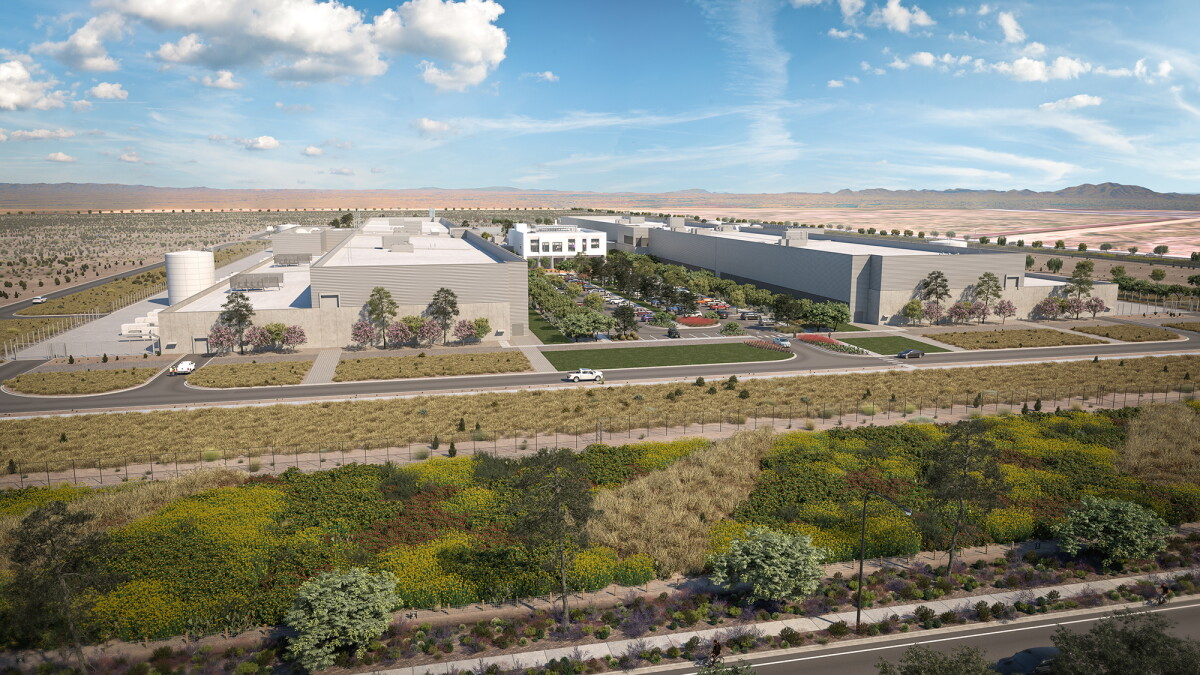
If you’ve been paying attention to Arizona’s commercial real estate market lately, you’ve probably heard a lot about data centers. Arizona has become a major destination for data center development due to the growth of artificial intelligence, cloud computing, and other technology, which are continually creating demand for large-scale facilities. For the East Valley, this could have a significant impact on commercial real estate for years to come.
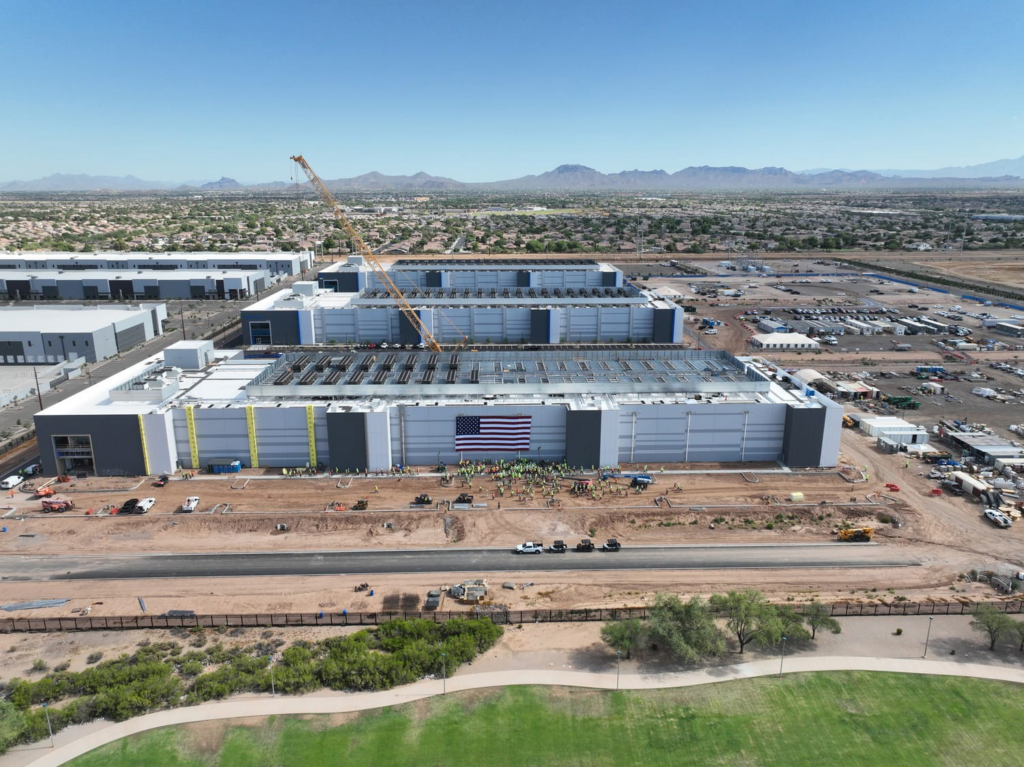
The Phoenix data center market is already seeing substantial activity, with projects underway or planned in Mesa and other Valley communities. As several facilities are scheduled to reach completion within a year of each other, power availability has become an increasingly important factor in determining which sites can move forward.
So, what does all of this mean for East Valley’s commercial real estate market?
More Demand for Industrial Land and Large Development Sites
Data centers require a tremendous amount of land, infrastructure, and electrical capacity. As companies look for locations that can accommodate these facilities, large parcels of commercial land with access to power and major transportation routes will become increasingly more valuable.
Mesa is particularly interesting in this conversation. The city already has a strong history of attracting advanced manufacturing, technology, logistics, and other large-scale users. Mesa’s economic development activity has included multiple data center projects, along with significant investment in manufacturing and high-tech industries.
This could create additional opportunities for landowners and developers with larger parcels that may be suitable for technology, industrial, or other employment-related uses.
The Impact Goes Beyond the Data Centers
The high influx of data centers tends to snowball development in its areas. For example, they require construction, contractors, service providers, and employees, which can translate into additional demand for restaurants, retail, hotels, professional services, industrial buildings, and other commercial properties. Communities surrounding major employment centers often see businesses follow the workforce and investment.
This is especially relevant in areas of Mesa and Chandler that already have established employment bases and strong transportation connections. Chandler, for example, continues to attract technology, advanced manufacturing, software, and other high-tech businesses. Areas that are experiencing major growth, like Queen Creek, should continue to boom.
All in all, the effects of data center development could extend well beyond the property where the facility is actually located.
What Does This Mean for East Valley Investors?
The data center boom adds another layer to an already active East Valley commercial real estate market.
For landowners, it may be worth understanding whether a property has characteristics that could appeal to large-scale industrial or technology users (e.g. power supply). For investors, surrounding properties could benefit from increased employment, infrastructure investment, and business activity. And for developers, the continued growth of technology and advanced manufacturing could create opportunities for industrial, flex, retail, and service-oriented development.
The bottom line? Data centers are becoming an increasingly important part of Arizona’s commercial real estate story, and the East Valley is positioned to feel a significant portion of that impact. As Mesa, Chandler, Gilbert, and surrounding communities continue to attract technology and advanced manufacturing investment, the demand for land and supporting commercial real estate could continue to evolve alongside it.
At COBE Real Estate, we keep a close eye on these trends because today’s development decisions can have a major impact on tomorrow’s commercial real estate market. Whether you’re considering buying, selling, leasing, or developing commercial property in the East Valley, understanding where investment and infrastructure are heading can help you make more informed decisions.