Tag Archives: Land

How Arizona’s Data Center Boom Could Impact the Commercial Real Estate Market in Arizona

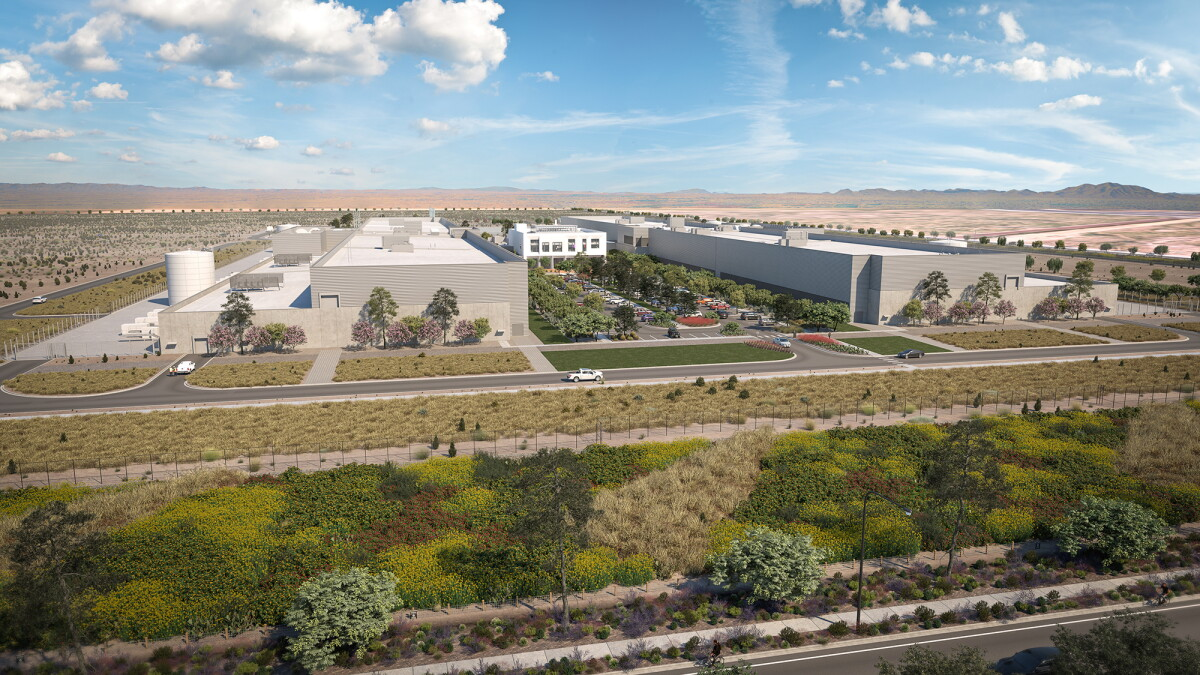
If you’ve been paying attention to Arizona’s commercial real estate market lately, you’ve probably heard a lot about data centers. Arizona has become a major destination for data center development due to the growth of artificial intelligence, cloud computing, and other technology, which are continually creating demand for large-scale facilities. For the East Valley, this could have a significant impact on commercial real estate for years to come.

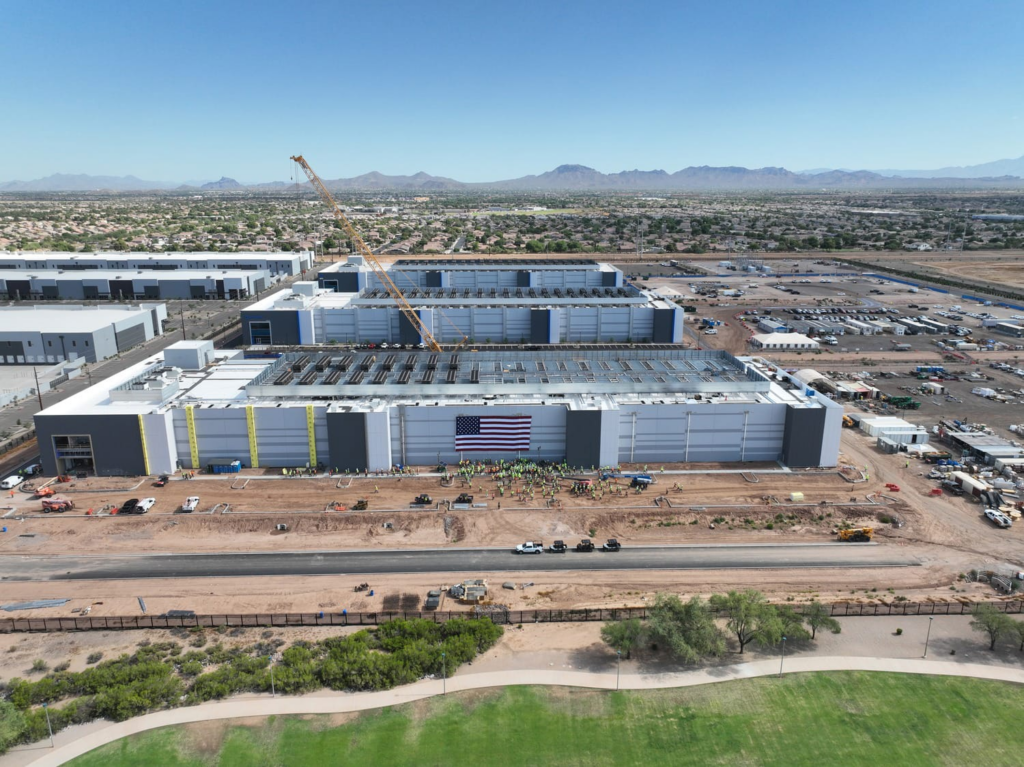
The Phoenix data center market is already seeing substantial activity, with projects underway or planned in Mesa and other Valley communities. As several facilities are scheduled to reach completion within a year of each other, power availability has become an increasingly important factor in determining which sites can move forward.

So, what does all of this mean for East Valley’s commercial real estate market?
More Demand for Industrial Land and Large Development Sites

Data centers require a tremendous amount of land, infrastructure, and electrical capacity. As companies look for locations that can accommodate these facilities, large parcels of commercial land with access to power and major transportation routes will become increasingly more valuable.

Mesa is particularly interesting in this conversation. The city already has a strong history of attracting advanced manufacturing, technology, logistics, and other large-scale users. Mesa’s economic development activity has included multiple data center projects, along with significant investment in manufacturing and high-tech industries.

This could create additional opportunities for landowners and developers with larger parcels that may be suitable for technology, industrial, or other employment-related uses.

The Impact Goes Beyond the Data Centers

The high influx of data centers tends to snowball development in its areas. For example, they require construction, contractors, service providers, and employees, which can translate into additional demand for restaurants, retail, hotels, professional services, industrial buildings, and other commercial properties. Communities surrounding major employment centers often see businesses follow the workforce and investment.

This is especially relevant in areas of Mesa and Chandler that already have established employment bases and strong transportation connections. Chandler, for example, continues to attract technology, advanced manufacturing, software, and other high-tech businesses. Areas that are experiencing major growth, like Queen Creek, should continue to boom.

All in all, the effects of data center development could extend well beyond the property where the facility is actually located.
What Does This Mean for East Valley Investors?

The data center boom adds another layer to an already active East Valley commercial real estate market.

For landowners, it may be worth understanding whether a property has characteristics that could appeal to large-scale industrial or technology users (e.g. power supply). For investors, surrounding properties could benefit from increased employment, infrastructure investment, and business activity. And for developers, the continued growth of technology and advanced manufacturing could create opportunities for industrial, flex, retail, and service-oriented development.

The bottom line? Data centers are becoming an increasingly important part of Arizona’s commercial real estate story, and the East Valley is positioned to feel a significant portion of that impact. As Mesa, Chandler, Gilbert, and surrounding communities continue to attract technology and advanced manufacturing investment, the demand for land and supporting commercial real estate could continue to evolve alongside it.

At COBE Real Estate, we keep a close eye on these trends because today’s development decisions can have a major impact on tomorrow’s commercial real estate market. Whether you’re considering buying, selling, leasing, or developing commercial property in the East Valley, understanding where investment and infrastructure are heading can help you make more informed decisions.


The Number One Reason Why Investors Need to Buy In Arizona Sooner than Later

The Number One Reason Why Investors Need to Buy In Arizona Sooner than Later

Jack be nimble. Jack be quick. Will we need to tap dance around what’s coming in commercial real estate for 2019? It isn’t what you might think. This is hardly a story about pending doom and gloom for investors or novice buy-and-hold rental property owners. In fact, things are looking golden for the Phoenix area and the 2019 Arizona real estate forecast. While the overall tone across the country could leave you with a lackluster desire to plough ahead and bring dollars here, there or anywhere for that matter, let’s shed some light on why investors need to buy in Arizona sooner than later.

Deloitte Has Some Good News for Next Year

Each year, the worldwide financial service provider Deloitte bestows its industry-expert suppositions on what the recent past brings to the forecast of tomorrow. The statements bear a lot on how commercial real estate investing is subject to global economies, now perhaps more than ever. As we’ve already seen, predictability has gone out the window. While many long-standing investors and institutional investment firms continue to sing the praises of traditional models in asset allocation, today’s financial environment puts tradition to task.

How did this happen? Younger mindset. Versatility takes second place to flexibility. And business agility leads the pack. Here’s why.

Knowledge Will Remain the Engine of Power

Just keeping up with market perception, investment reality and the next big chess move in business is enough to make your head spin. And if you’re an investor in real estate, other markets still matter. But who has time to stay on top of everything that’s happening and changing on a dime? Not me, not you, and more than likely (though he’d never admit it) not even the President.

In short, the best way to head into 2019 to stay on top of investment strategies is to use global resources to acquire broad-based knowledge while aligning with local commercial real estate experts, such as COBE Real Estate, to fine tune property acquisition plans and map out the best time to sell.

According to a November 2018 Phoenix Business Journal article, next year will continue the Valley of the Sun’s ranking as a boomtown and that’s music to residential and commercial investors.

If you were reading real estate news as recently as October of this year, there were whispers of a slow down on the horizon, though it didn’t make much sense considering that vacancy rates remain low. But new numbers about Phoenix real estate and the state economy debunk the slow down and define a full-steam-ahead approach.

According to Trulia, more people are looking at moving to the Phoenix area than moving away from it. And with relocation to our borders comes more businesses looking to improve their success rate. Those businesses need property. Their employees need property. This is how the cycle of success runs well. Out of the U.S. 100 largest metro areas, Phoenix stands as number 7 on Trulia’s list of best places to experience growth.

Positioned Well for Growth in 2019

The growth analysis mentioned above was based on a variety of considerations to include affordability, percentage of population under 35 years old, vacancy rates, job growth and more. And while current property owners are praising recent year-over-year value increases, the momentum should continue, thanks to this year’s 2.9 percent job growth rate.

Homebuilders are buying up land and requesting permits to begin new developments. Areas of Chandler are seeing explosive growth due to a large influx from the technology sector near the Loop 202.

In short, our numbers still make sense and as long as there are areas in the country that put a damper on job growth and investment opportunities, Arizona will continue to reap the rewards in retail, land, industrial and more. Here’s a case in point.

California Business Owners Are Creating a Great Divide

It wouldn’t be a stretch to claim that California is in dire need of a middle ground between socioeconomic populations. Visual images of the poor living in squalor near the high rises and other beautiful architecture that made the bay area the foothold for economic success and prosperity is not only disturbing but defines imbalance.

Through the recent passing of Proposition C, the landscape quickly changed for the impoverished who live there and the business owners who operate above them. What is proving to be positive change for the people may not shake out so well for big tech in Northern California and it could drive relocation across our borders.

While Prop C is a collaborative initiative to help clean up the streets, provide shelter and other necessities for the homeless, it’s funding comes, in part, from local big business. And some are not happy about it because they aren’t getting the tax benefits that would make their investment in the proposition attractive.

There is talk of moving big business technology headquarters to other markets, especially the Southwest, where the cost of owning property and doing business is much more attractive. This is just one instance that supports our continued growth and why investors should buy in Arizona, sooner than later.

About that number 1 reason to buy in Arizona, now…

Leap but Don’t Jump into Arizona Investments

Bucking tradition in business seems to be the norm, as economic predictors, forecasts and reality hop around with inconsequential sequence like the lights on a video game. How do you make a straight-line decision on commercial real estate when the environment is changing faster than the speed of light (so it seems)?

Leap but don’t jump. They aren’t the same. Leap into opportunity with full force, looking forward and confident with the industry knowledge needed to land on solid ground. Without it, you’re jumping in on a hope and a prayer. There’s something to be said about a common sense approach.

Timing is everything. Timing isn’t just about the right market conditions, the right property at the right price. Timing has to do with your personal portfolio, investment goals and how they define what’s best for you in the short- and long-term.

Discover How Common Sense and Market Agility Move Well Together