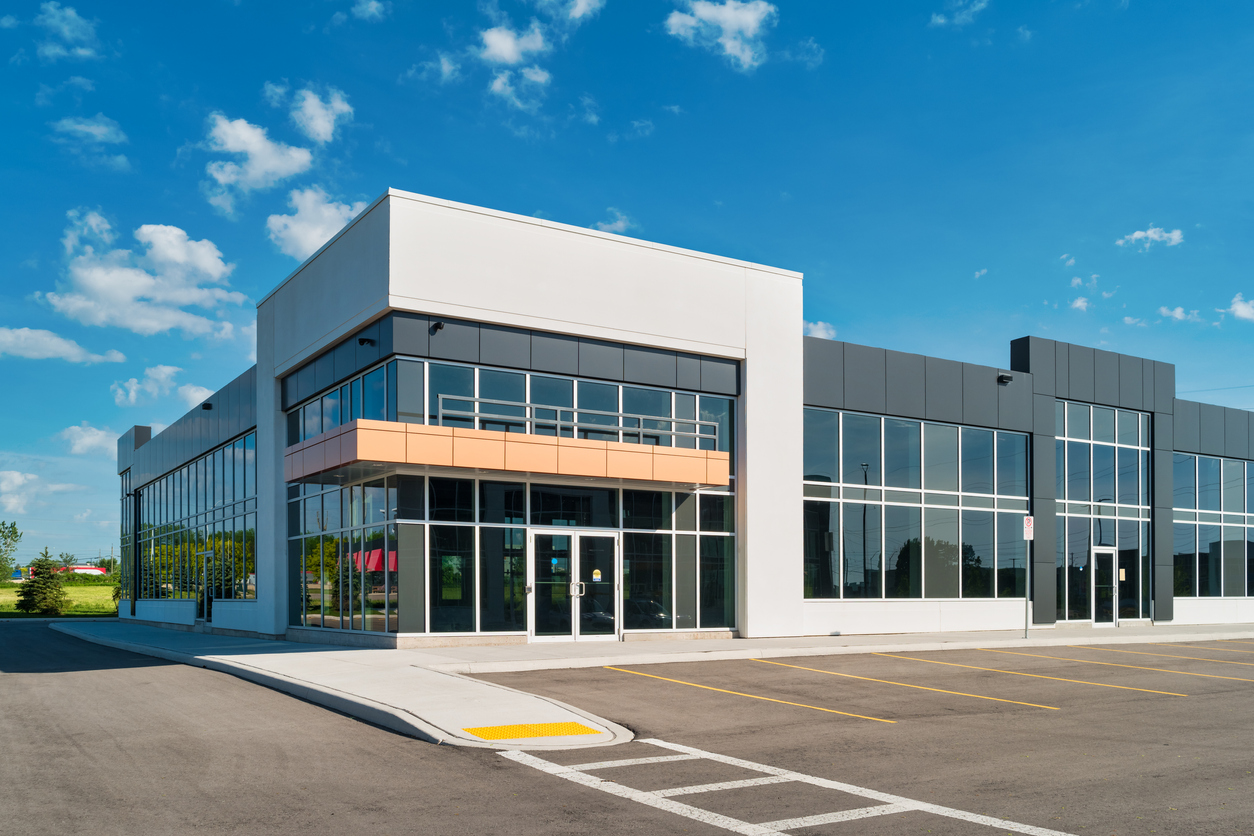
Investing in commercial real estate in Arizona can be one of the most effective ways to build long-term wealth, generate passive income, and diversify an investment portfolio. But we understand that not every property is created equal. Whether you’re purchasing your first investment property or adding to an established portfolio, taking a strategic approach can make all the difference. At COBE Real Estate, we help investors identify opportunities that align with their financial goals while minimizing unnecessary risk. Before purchasing your next commercial investment property, here are 4 key things to keep in mind.
1. Location & Market Growth
Location remains one of the most important drivers of a property’s long-term value. Look beyond today’s traffic counts and demographics. What areas are growing or projected to grow? What areas have approved developments upcoming? These are the types of questions we research so that you’re getting the most out of your money now AND later. Investing in a market with solid economic fundamentals can help position your property for appreciation and long-term stability.
2. Tenant Quality & Lease Structure
A commercial property’s value is often directly tied to the strength of its tenants. Review the tenant mix, remaining lease terms, renewal options, and financial strength of each occupant. Understanding whether the property operates under NNN, modified gross, or full-services leases can also have a significant impact on operating expenses and overall returns. Strong, well-structured leases with reliable tenants often provide more predictable cash flow and reduce investment risk.

3. Property Condition & Expenses
Before closing on a property, it’s important to understand what future costs may be waiting around the corner. Roofs, HVAC systems, parking lots, plumbing, electrical systems, and deferred maintenance can all affect your investment’s performance. A thorough due diligence process helps investors identify potential capital expenditures before they become costly surprises. Knowing the true condition of a property allows buyers to negotiate more effectively and accurately forecast future ownership costs.
4. Financial Performance & Exit Strategy
Every investment should be evaluated based on both current performance and future potential. Review the property’s net operating income (NOI), cap rate, operating expenses, and rent roll to determine whether the asset supports your investment objectives. Just as importantly, consider your exit strategy before you buy. Whether your goal is long-term appreciation, increasing value through leasing improvements, or completing a future 1031 Exchange, having a clear plan helps guide smarter investment decisions from day one.
We believe successful investing starts with informed decision-making. Understanding the market, financials, tenants, and long-term opportunities can help you make confident investment decisions. If you’re considering buying, selling, or evaluating commercial real estate in Arizona, our team is here to provide the market knowledge and experience to help you identify opportunities that fit your investment goals.