Tag Archives: Investment Property

Commercial Real Estate in Arizona: A Smart Investment for Long-Term Growth

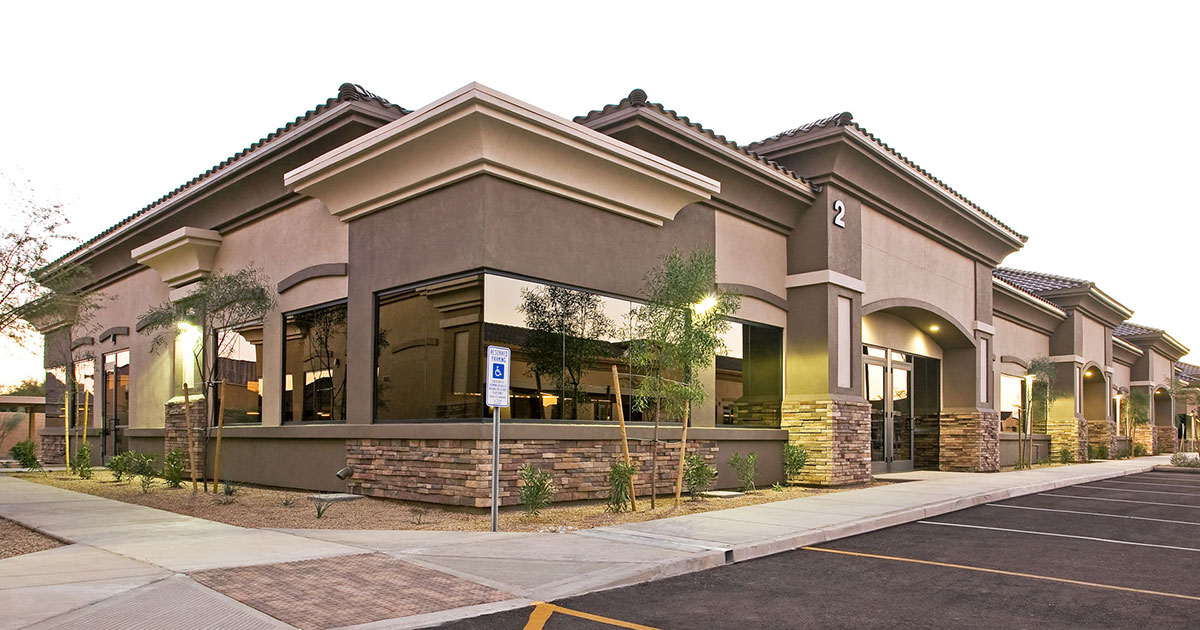
Look no further for your next investment opportunity! With steady population growth, business-friendly policies, and ongoing economic expansion, Arizona has prime opportunities across industrial, retail, and office properties. As companies relocate to Arizona for lower operating costs and access to a growing workforce, demand for quality commercial space remains strong. From warehouse developments in the Southeast Valley to neighborhood retail centers and professional office buildings, Arizona commercial real estate continues to attract both local and out-of-state investors seeking long-term value and cash flow.

Industrial real estate in Arizona remains one of the hottest sectors in commercial real estate. The rise of e-commerce, logistics, manufacturing, and distribution has created sustained demand for industrial buildings, flex space, and warehouse properties. The micro-chip facilities going in North Phoenix are just the beginning of massive projects that are underway- cities like Mesa, Chandler, Tempe, and Glendale continue to see strong industrial development due to proximity to major freeways, rail access, and growing consumer demand throughout the southwest USA. Investors like you would likely see a huge benefit by targeting industrial assets; their stability, lower tenant turnover, and long-term lease structures make them easy, long-term investments. As Arizona continues to position itself as a logistics and manufacturing hub, industrial commercial real estate remains a compelling investment opportunity.

If industrial opportunities don’t feel like your speed, consider retail investments. Retail centers across the state are continuing to grow, especially in growing areas like in Mesa, Queen Creek, and San Tan. Our team gets countless calls daily from people and businesses seeking retail space. While traditional retail has shifted over the years, well-located neighborhood shopping centers, drive-thru properties, medical retail, and service-based retail continue to perform well. Population growth throughout Phoenix, Scottsdale, Gilbert, and Queen Creek has increased demand for restaurants, fitness concepts, healthcare providers, and convenience-based retail tenants. Investors are finding value in retail properties anchored by essential businesses that serve rapidly expanding communities. With new residential developments continuing across the Valley, retail commercial real estate benefits from consistent consumer demand and strong traffic counts.

While the pandemic changed many offices to work-from-home environments, office space is still in demand and still needed! In recent years, many company have adopted a hybrid-work environment, which requires employees to come into the office for a portion of time each week. Office space in Arizona is experiencing renewed momentum as businesses seek flexible, modern work environments in desirable locations.

Arizona’s affordable cost of living, favorable climate, and growing economy continue to attract employers from California and other high-cost states, helping support long-term office demand. For investors looking to diversify their portfolios, Arizona commercial real estate offers opportunities across multiple asset classes with strong growth potential and favorable market fundamentals.

East Valley Arizona Real Estate Growth: How the Rapid Population Boom Is Driving Retail and Office Demand

If you’re seeing what we’re seeing, you know that the East Valley of Maricopa County isn’t just growing…it’s evolving into one of the most dynamic pockets of Arizona real estate. Over the past decade, cities like Queen Creek, Mesa, and San Tan Valley have transformed from primarily residential communities into high-growth markets attracting both residents and businesses. Queen Creek alone has experienced population growth of around 130% in the past decade, a statistic that demands attention from commercial real estate professionals across Arizona. Whether you’re a real estate investor or a tenant looking for space, the East Valley is the place to be. With the growing population comes not just a want but a need for grocery stores, retail centers, and office space. The increase in population is and will continue to supply a heavy demand for retail, office, and other commercial real estate.

What we’re seeing across the East Valley is a widening gap between residential growth and available commercial inventory. While new housing developments continue to deliver at a rapid pace, retail and office space in Arizona, especially the East Valley, has struggled to keep up. This imbalance presents a strategic opportunity for businesses looking to establish a presence in high-demand corridors. Retailers entering markets like Queen Creek and San Tan Valley early can quickly become community staples, while office users benefit from being closer to their workforce and customer base. As more companies rethink traditional commuting models, East Valley office space is becoming an increasingly attractive option.

Queen Creek and San Tan aren’t the only cities experiencing growth. Across the entire East Valley, cities are increasing at a steady pace, from Tempe to Chandler. To highlight Mesa, it remains a cornerstone of Arizona commercial real estate, serving as a major employment, education, and infrastructure hub. Its continued expansion is fueling growth in surrounding submarkets, reinforcing the East Valley as a connected and self-sustaining economic region. As these areas mature, the demand for neighborhood retail centers, medical office space, and professional services continues to rise. Grocery stores, fitness concepts, restaurants, and service-based tenants are no longer optional—they’re essential to supporting the growing population and enhancing quality of life.

At Cobe Real Estate, we view this moment as a key inflection point in the East Valley’s trajectory. The fundamentals supporting Arizona real estate investment (population growth, household formation, and business migration) are aligning in markets like Queen Creek, Mesa, and San Tan Valley. For tenants, it’s an opportunity to secure space in emerging trade areas before they become saturated. For investors and developers, it’s a chance to deliver much-needed commercial real estate in Arizona that meets both current demand and future growth.

Why Buying Commercial Property in Arizona Without a Broker Isn’t Worth the Risk

Everyone wants to save a buck when they can. Do-it-yourselfers have risen to fame over the past decade as YouTube, Vimeo and other social media channels have provided a public forum to teach non-experts how to do things.

The reasons for the shift have much to do with our drive to save time, aggravation and the almighty dollar. But does this mindset apply when buying commercial property in Arizona? The answer, like commercial real estate itself, is complicated.

Understanding the Value of a Good Commercial Broker

Not every state in the country conducts the real estate transaction in the same manner; in fact, some of the players are different. While areas in the east coast, for example, often include a real estate attorney and a real estate broker as part of the process, Arizona transactions sometimes exclude attorneys on either side. This puts the onus of proper real estate dealings on brokers and brokerage firms. Though there is a caveat in this, the buyer of commercial property must take responsibility in performing the necessary due diligence before and during the escrow period to uncover matters than would affect their desire and ability to close.

Commercial brokers help facilitate all dealings related to the search, identification, negotiations, investigations and successful closings for the sale and transfer of real property. How well they perform is often contingent upon their overall local market knowledge, which includes, but is not limited to:

  • Proposed changes in the industry
  • Municipal and private developments in the works
  • Strength of peer relationships
  • Understanding of transaction process
  • Use of commercial real estate contract language and nuances therein that provide negotiating edge
  • Their network of strong third-party resources

The Art of Timing and Playing a Good Game of Chess

A purchase contract is boilerplate content that presents the ins and outs of what is expected, the timelines to execute, and available remedies in the event that an issue arises or a party deems it necessary to back out. What may be of more importance is what the paragraphs and line items don’t say. This is where a commercial brokerage firm can represent a buyer’s best interests exponentially.

For the unsuspecting (and that would be most buyers of real estate not using a broker), time is of the essence and progresses similar to a move in a game of chess. For example, if you want to bide time to ensure you have chosen the best property for your needs, make sure to ask for a lengthier inspection period. This allows you a larger window of opportunity in discovery of issues that may present concern, especially pertinent when buying real estate on or near environmental hazards (such as a gas station or Circle K).

What You Don’t Know When Buying Commercial Property in Arizona Will Hurt You

We’ve seen this happen in many geographic areas in cities from coast to coast. Often, buyers of residential property, including investor pools, will consult their residential REALTOR® for information and representation in commercial real estate transactions. Even for the most well-intended agents and brokers in this part of the industry, accepting the undertaking puts them, their brokerages and buyers at risk.

Residential agents and brokers have to abide by a Code of Ethics that, in part, stipulates the need to serve customers and clients best by referring them to industry professionals who specialize in the specified market niche, whether that be the type of property desired, and county of location.

The above info just illustrated some of the pitfalls in dealing with real estate experts who don’t normally work the commercial market. Now, imagine what it’s like to navigate the hills and valleys of the business without any formal knowledge and licensing in real estate.

You wouldn’t perform surgery on yourself. Why would you consider buying property without the right experience and certifications under your belt, through buyer representation?

The Slippery Slope of Due Diligence Is Best Left to Those Who Hike It Every Day

For the novice in real estate, negotiations don’t start and end when all parties fully execute the purchase contract. It’s a step-by-step roadmap that is often dotted with traps. Some can be anticipated while others come about by surprise. A well-crafted letter of intent can pique the interest of a seller. It can spur a conversation between listing and buyer brokers. This convo can reveal hot points that shape the way the offer will be written. But if you were a buyer without representation, you’d never know what you missed.

The intricacies of a commercial real estate transaction can be arduous … especially during the due diligence process. Some of what it entails includes:

  • Site research about property use and other history
  • Why the seller wants to sell
  • Pertinent details about the area
  • Recent city code changes that affect property condition
  • Potential deferred maintenance or ADA guidelines unmet
  • Environmental hazards
  • Zoning and difficulty in obtaining a variance if needed
  • Buzz on the street amongst other brokers
  • Private and municipal developments and redevelopments that could affect value, foot traffic and ease of ingress/egress
  • Current market value
  • Current market rents
  • Proof of rent rolls, cap rates, net operating income, and operating costs

Do you really want to do this solo?

Most Common Misunderstandings, Errors and Overlooks in Commercial Transactions

As long as you’re probably questioning your ability to enter into a commercial property purchase without qualified representation, here’s a list of other reasons to remove any doubt.

5 Common Mistakes in Commercial Property Purchases:

  1. Underestimating cost of ownership
  2. Negligence in performing per contract
  3. Weak knowledge of competitors (location, location, location)
  4. Glossing over details that can cost you
  5. Inspecting property with verified, licensed, bonded third-party resources

Let’s take a moment to dive into No. 4 noted above, which is all encompassing. In a hot market, when properties fairly priced are hard to come by, haste in securing property can lead to errors in judgment and overlooking clues of issues on the horizon.

As a buyer, are you ready, willing and able to complete the transaction? Unrepresented commercial real estate investors can find themselves in a quandary should they use the inspection services from vendors that don’t have clearance or aren’t deemed as approved vendors from their lender. A buyer broker who’s on your side will know the questions to ask a lender before you spend any money on inspections.

In addition, seasoned commercial brokers will review a closing statement and know what to look for in the numbers. They can check for duplication in fees, overcharges and other inadvertent oversights that can increase the buyer’s cash-to-close.

What Do You Mean There’s No Code of Ethics in Commercial Real Estate?

As daunting as this may sound, there is no formal code of ethics for commercial real estate brokers. Hhhmmm … how do you deal with that and have a chance at getting the commercial property you want at the price, terms and conditions desired?

The Truth About Getting a Better Deal By Not Paying Buyer Broker Commissions

Here’s the biggest sticking point for business owners and investors looking to buy office, retail, industrial, land or multi-family property in Arizona without the use of a commercial broker working on their behalf: the money.

If you need to reread all the information provided in this article up to this point, please do. Take it all in. These, among other reasons, are why an un- or under-represented buyer is in a vulnerable position when making an offer on a property.

If you’re considering this course of action as a means to save the 3 percent (give or take) in commissions that go to the buyer broker, here’s the reality of how that “savings” breaks down:

  • Listing broker will convert the buyer commission into an increase in Seller’s net proceeds.
  • Listing broker will increase their own commission.
  • The broker’s fiduciary responsibility is to the Seller not the buyer, which can then:
    • Compromise disclosure of material facts or defects.
    • Compromise the due diligence and inspection process.
    • Misrepresent at any point in the transaction.
    • Compromise negotiations, not in best interest of buyer.

Experience is the greatest tutorial in commercial real estate. You can’t get a how-to online and have the adequate knowledge and protections that come from seasoned, local professionals working diligently on your behalf. It’s what you’ll find at COBE Real Estate.

Consult a Local Leader in Commercial Brokerage

What Does the Boom in Arizona Multi-Family Housing Say About Where We’re Headed?

It can be a tad confusing. Looking at national news stories about the real estate market as a whole, and making a wise decision about when and where to invest can be daunting. While understanding where the United States is going with respect to financial markets (globally speaking, as well), it’s important to map out a strategy for buying, holding and selling commercial property. Here’s why. The recent boom in Arizona multi-family housing provides eye-opening indicators.

The West Coast May Not Miss the Ocean

Turns out that California residents, business owners and residents are moving out of the Golden State in record numbers. In fact, a top relocation landing point is Phoenix. It isn’t just about the location, moderate weather (except for the summers) and the cost-friendly quality of life. Investors that have long benefited from the high rent rates and exorbitant property values in California are vying for better options, and Arizona real estate is luring them.

Current Administration Put a Cap on Tax Benefits, Affecting Pricier Markets

Owning real estate in Los Angeles, San Jose and San Francisco (just to name a few) isn’t as noteworthy as before. New property tax guidelines are in effect and property owners will finally see the reality that comes with them during this year’s tax filing. Because the maximum allowable deduction for property taxes is now $10,000 and mortgage interest deductions are capped at $750,000 mortgage amounts (for primary and second homes), consumers are rethinking homeownership.

California Multi-Family Property Owners Have a New Nemesis: Prop 10

After years of winning numbers (both in property values and vacancy rates), landlords, equity firms, residential developers and property managers may be seeing the end of a golden era. This month, California commercial property owners and their tenants have the legal forum to air their frustration out at the voting booth. Proposition 10 revisits the Costa-Hawkins Act of 1995, which limited rent control. Property owners benefited while tenants had to accept escalating rent rates. Prop 10, should it pass, will put local municipalities at the helm of deciding where and when rent control comes into play.

The effects of the proposed measure are already widespread. It goes beyond apartment and multiple dwelling owners. The panic surfaced into commercial office owners, as well. Cap rates on commercial in California have dropped, sending investors into “sellmode” while they eye other states to identify properties to purchase before their 1031-Exchange deadlines hit.

Arizona and many cities in the Phoenix metro area are the happy recipients of this real estate migration. But do we have enough supply to meet the forging demand?

When Supply and Demand Are at Odds, Arizona Boomtowns Rise

The National Multifamily Housing Council and National Apartment Association collectively examined the issue, formulating a study that would help distinguish current need, as well as short- and long-term forecasts. Their numbers show a deficit, with 150,302 new apartments needed in greater Phoenix by 2030. That is a 38 percent increase over where the local market sat at the end of 2017.

To break the numbers down deeper, here’s a look at rental and occupancy rates from last year, second quarter.

The following bulleted list should be made into an image please.

  • Class A rent rates – 8.7% increase
  • Classes B rent rates – 6% increase
  • Class C rent rates – 7% increase
  • Occupancy was at 95%

If you’re shuddering at the thought that these market signs look familiar (the horror of revisiting 2008), we’re not the same ol’ Phoenix. Even though our property values have gone up substantially in the last decade, consider where they came from – the bust. In fact, property values are just touching on the height-of-the-bubble pricing, but again, it’s been 10 years since then.

We’re Not Just Made of Resorts and Sports Anymore

Phoenix is a hot market for myriad reasons. Sure, we’re still a destination point for business conferences, conventions, sports, shopping and getting away from everywhere else. We’ve had a decade to think long and hard about how the downturn happened and how to avoid it again.

The Valley of the Sun Has Grown Up

Investing in multi-family and commercial real estate in Phoenix, Gilbert, Mesa, Tempe, Chandler and Scottsdale has led to numerous accolades:

  1. We’re Number 3 in the U.S. for tech industry jobs, according to Money magazine.
  2. New jobs are being created at twice the rate of U.S. overall.
  3. Phoenix metro ranks Number 5 for U.S. cities’ population.
  4. Real estate price points remain relatively low.

The above-referenced points play well into office, retail and industrial markets, as real estate is a cross-connective supply chain of sorts.

For multi-family property owners and those who buy and hold single-family residential, there is a different phenomenon that may have been born, in part, during the economic downturn of the past. And from it, a mentality supported by an odd mix of fear, reality and a desire to live in the moment more than ever before.

The Cultural Shift Behind the Arizona Multi-Family Housing Surge

Talk to a millennial, and even some baby boomers, about personal stability through real estate and you’ll more than likely get a gaff or a snicker. They remember firsthand what it was like to watch a 401K trickle down to less-than-retirement worthy or to give property back to the bank. For some, it’s not easy to shake off and start over.

Many baby boomers are cashing in to any equity they have and living more amongst the masses. They are resurging as multi-family tenants, living the dream of greater amenities without the responsibilities attached. Large, urban sprawls of mid- and high-rise communities are dotting the downtown Phoenix skyline.

Millennials come to multi-family living through a mix of no-where-else-to-go or wouldn’t-have-it-any-other-way. Reasons behind the reluctance to own aren’t all financial, though overbearing student debt is a leading cause.

Multi-Family Rentals Are Attractive:

  • More bells and whistles for the money
  • Greater sense of community
  • Easier commute to work
  • More affordable
  • Turn-key living
  • Less responsibility
  • More freedom

Best Places to Rent and Live in Arizona

Recently, WalletHub compiled data from cities coast to coast, reviewing factors that gauge decisions made by renters that affect how and why they choose to live where they live. From this, the findings dictate specific rankings, such as rental market and affordability, quality of life, and overall assessment of all factors, with “1” being the best, and so forth.

Here’s how our residential tenants rank many of our local areas:

Overall Best Places to Rent in the United States:

  • #1 – Scottsdale
  • #2 – Peoria
  • #3 – Chandler
  • #4 – Gilbert
  • #9 – Mesa
  • #10 – Tempe

Best in Affordability:

  • #7 – Gilbert

Best Quality of Life:

  • #1 – Scottsdale
  • #2 – Peoria
  • #3 – Chandler
  • #9 – Gilbert

Follow the transportation arteries in these cities and wherever municipal monies are increasing infrastructure and further development: That’s the sweet spot for commercial investment.

Has the Real Estate Gravy Train Stopped in the Tracks of 2018?

Permits for new construction have eased and 2018 is projected to take a step back on the multi-family frenzy. Perhaps it’s a move to prevent oversaturation, though the numbers don’t justify the caution. But millennials will pay off their debt someday and settle down with their two dogs, maybe a significant other, and children? A little later than former generations, but it will come. Until then, to the multi-family property owners go the spoils.

Ask About Phoenix Multi-Family Opportunities

Schedule a Consultation Today

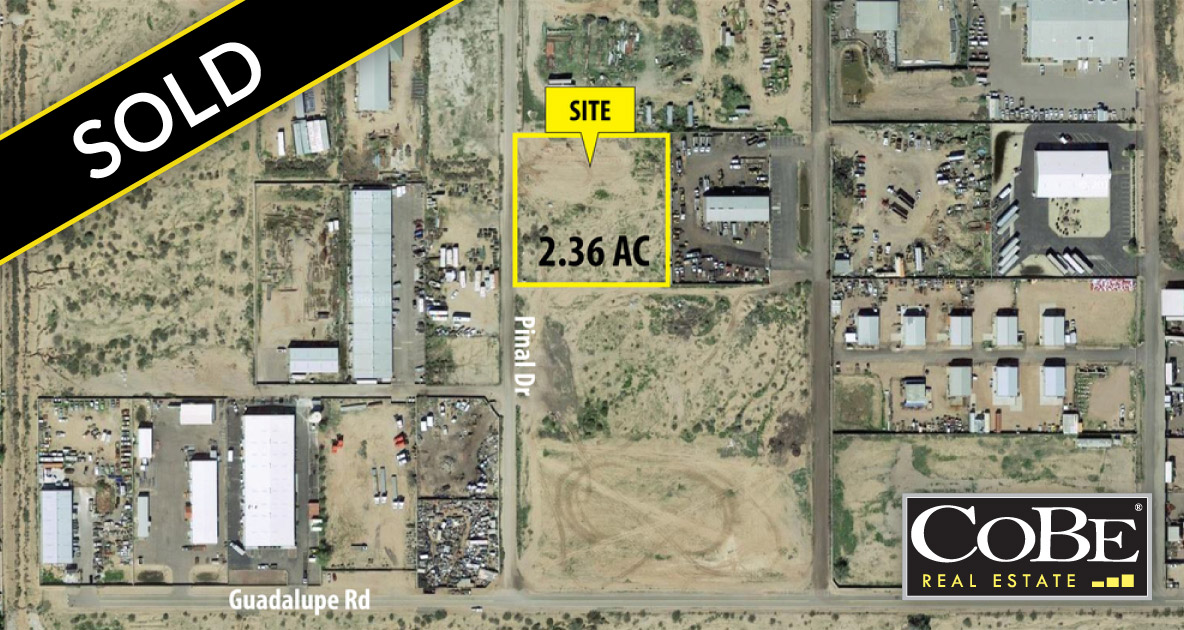
Sold | 2.36 AC Vacant Land

This entry was posted in Commercial Land and tagged on by .

Address: N of NEC Pinal Dr and Guadalupe Rd Apache Junction, AZ

Located five minutes from the US 60 and 10 minutes to the US 202. Close to Phoenix-Mesa Gateway Airport. Fast growing convenient location near freeway located in Pinal County Island

DEAL HIGHLIGHTS:

  • 2.36 AC Vacant Land in Fast Growing Industrial Area
  • Water & Power to Property
  • Convenient Location near Freeway
  • Located in Pinal County Island

SOLD: $382,500

6 Ways a Property Manager Will Benefit Your Investment

Property Manager

6 Benefits of Hiring A Property Manager

A Commercial Property can be an excellent investment, however being a landlord is a full-time job and requires many hats. For this reason, many investors choose to hire a property manager, assuring the property’s long-term profitability and efficient management.

 Here are a few of the benefits a property manager can offer:

  1. Tenant Screening: An experienced property manager will help ensure tenants are a right fit for the property and that they are compatible with neighboring tenants. This additionally aides in tenant retention, as those who are happy and feel their needs are met, are more likely to stay for longer periods of time.
  2. Marketing and Advertising: A full service property management service will have access to several platforms, and possibly a designated team, to market any vacancies your property may have. This will offer a significant advantage when it comes to filling your properties quickly and avoiding long vacancies
  3. Maintenance: Repair and Maintenance expenses are inevitable, whether its basic repairs or emergency failures. An experienced property manager has a network of vendor contacts, as well as the problem-solving skills, to find the best solution in a timely and cost-effective manner.
  4. Accounting: Financial Reporting is the key to measuring a property’s performance. Property managers will provide comprehensive reports including budget vs. actual variance analysis, profit & loss statements, general ledgers, and bank reconciliations.
  5. Rent Collection: Having a third party between the owner and tenant is often an effective way to aid the rent collection process.  A property manager will consistently follow and enforce the owners rent collection policy, handle tricky situations, collect late charges and serve any legal notices.
  6. Legal Issues: Any property may be encumbered by legal issues or subject to code requirements and government regulations. Knowledgeable property managers are familiar with local, state and federal regulations and codes and can help identify compliance issues that may require further legal counsel.

An experienced Property Management Service can increase the efficiency and profitability of an investment, while also relieving the property owner from some of the time and stress that is entailed.

For more information on COBE Real Estate’s Property Management Services Click Here  or Contact Us 

Dave Collins

Vice President / Senior Advisor

Dave’s background includes extensive experience with over 20 years in real estate investments. Dave’s expertise in real estate investment is a critical factor in assuring favorable rates of return for clients of COBE Real Estate.

Dave obtained a bachelor’s degree in Japanese from Brigham Young University, and a Master of Business Administration degree from Brigham Young University. He is active in several local and national groups including the Downtown Mesa Association, National Oil Recyclers Association, The East Valley Partnership and The Boy Scouts of America. He is also an active supporter of PREHAB of Arizona, La Mesita, and the Mesa Story Telling Festival.