No matter what road you drive down in the valley in Arizona, you’re probably going to pass by a medical center. In fact, statistics show that in Maricopa County, there is 1 medical center (hospital/clinic) for every 14,694 citizens, which, in comparison to Los Angeles Count, which has 1 for every 22,276 citizens, goes to show how prevalent medical facilities are here. Despite the high numbers, demand is still increasing!
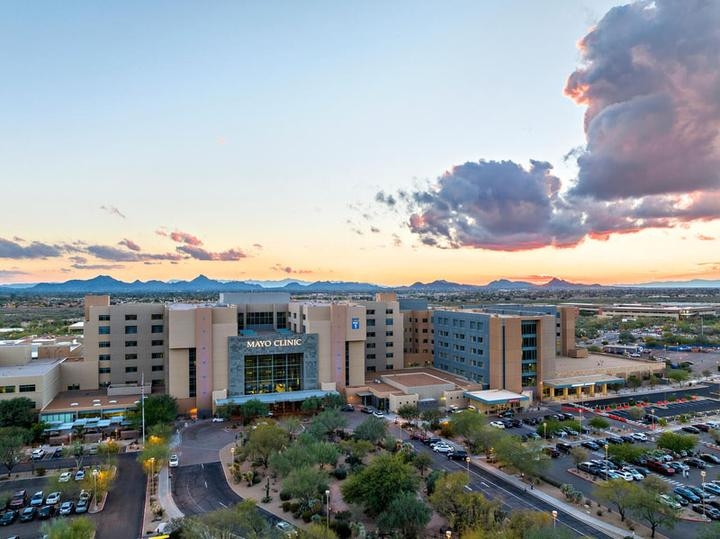
Arizona’s medical real estate market is experiencing a surge in demand, and it’s not by coincidence. The state’s aging population—one of the fastest-growing senior demographics in the nation—is significantly increasing the need for healthcare services. As more retirees choose Arizona for its climate and affordability, the demand for medical office buildings (MOBs) and outpatient facilities continues to rise. This demographic shift has created opportunities for developers and investors to meet the growing need for accessible, modern healthcare environments tailored to an older population.
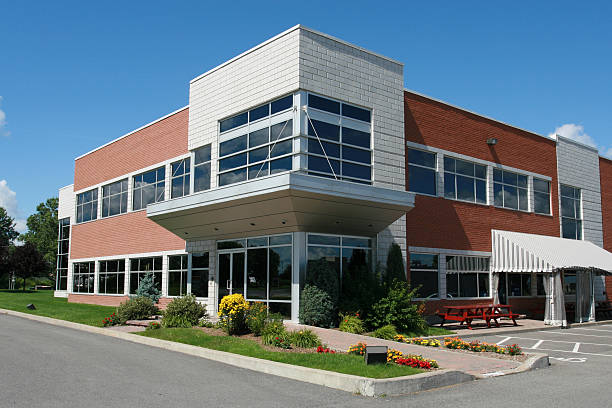
Beyond demographics, healthcare utilization overall has increased. Patients today expect faster, more convenient care options, driving the rise of specialized outpatient centers, urgent care clinics, and diagnostic facilities. At the same time, major health systems are decentralizing their operations—expanding into suburban and off-campus locations to better serve residential communities. Areas such as Gilbert, Queen Creek, and North Peoria have seen an uptick in medical construction as health providers follow population growth patterns, ensuring care is delivered closer to where people live.
For investors, medical office properties have become a bright spot in a volatile market. While traditional office demand remains uncertain, healthcare properties have shown resilience through economic cycles, thanks to long-term leases, stable tenant bases, and consistent demand. The sector’s performance during recent economic disruptions demonstrated its defensive nature, leading more institutional and private investors to view medical real estate as a safe harbor asset class.
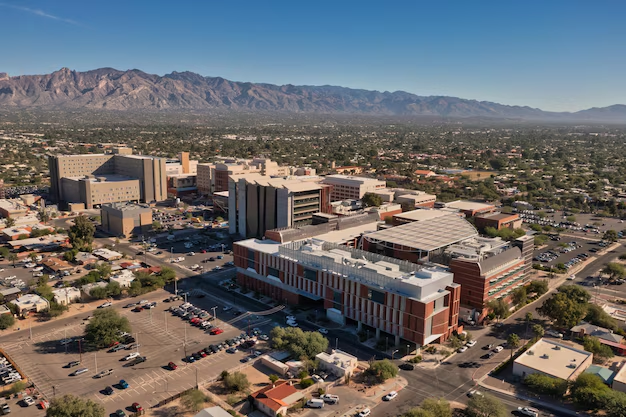
As Arizona continues to grow and healthcare evolves toward community-based access, the state’s medical real estate sector stands poised for sustained expansion. Between strong demographic tailwinds, tenant stability, and investor confidence, medical properties are increasingly seen not just as a niche opportunity—but as a cornerstone of Arizona’s commercial real estate future.